Insights for a healthier planet
Welcome to the bio-communities.com blog, your source for stories, news, and insights into health-promoting and sustainable living. Discover what's truly behind the label, learn about organic practices, and find out how businesses are making a positive impact.
Decoding labels: What "organic" truly means
Ever wondered about the real meaning of "organic" on your food labels? Our articles dive deep into certifications, standards, and what it takes for businesses and farms to earn this designation. Understand the difference and make informed choices for your health and the environment.
A BRIEF HISTORY OF THE EVOLUTION OF ORGANICS 6/15/26
Organic in its heyday truly was as it implied; free from chemicals, and added pesticides. Stringent rules were applied so this was absolutely true, to obtain the certification. Mandating a certain distance from non organic farms, no part of the growing process or feed could be non organic.
Over time, as the label grew into the corporate realm, some of the ecological meaning behind organic lost its place. The idea in its infancy was to improve soil structure, build healthier food supply chains, and raise awareness around the potential health and environmental damage of pesticide use.
Over time farming advocates in the US and abroad developed other certifications that addressed a more holistic picture of what organic was suppose to represent, adhering to the true meaning of sustainability, which adheres to human, ecological, and financial strength. Biological principles with label such as “bio-certified” and now “real organic” certified, address these core principles. Localizing our food systems when possible is an essential part of sustainability.
As organic became more corporatized and thus monetized, the sustainability element withdrew from its label. The high costs associated with the certification process, was unattainable for many ecologically focused farmers, that didn’t have the funding. Many small farms had to merge with large ones as coops to stay afloat. Many small farms shut down. As monetization and industrialized operations owned by big companies became mainstream, some of the ecological principles associated with organics declined.
Industrializing the organic industry void some of the core principles which fostered ecological integrity. For example, hydroponics can be labeled “organic”, but isn’t restoring soil health. Large industrial farming practices are environmentally destructive, as is the financial element.
Due to the changes in administration when Trump was entering office and since, many programs were cut due to over 10$million in annual budget cuts. (Organicinsider.com) Some of the cuts effect fraud, and technology that prevents it.
Millions of dollars in funding has been cut from environmental programs which contract with organic farmers.
+ 85$M Organic Market Development Grant Program- cut
+ 100$M TOPP/ Transition to the Organic Partnership Program

THE UNDERBELLY OF AMERICAN CONSUMPTION PT1
I recently watched a movie called “Origin” about the underlying themes and roots of racism and class order. A writer, Isabel Wilkerson embarked on an experiential journey to uncover the roots of systemic values that have perpetuated various forms of hierarchical diversion amongst populations. Such divisions have created patterns of extremism where “class” is an identity defined by a hierarchy or superiority over another. This system permeates across the planet and has for centuries in a myriad of forms.
Based on the true accounts and writings of Isabel, she specifically looked at several groups such as the East Indians class system, whereby the lower class has a predetermined destiny of which cannot be removed or transmuted. They are forever below or above depending on what they’re born into. The treatment of the lower class is shameful and inhumane at times. The same system divided Jews from nazis. It was believed the Jews were the inferior race and a disease amongst the population. This was indoctrinated into political and governmental views as fact, and so far as permeated into laws to ensure its successors superior.
What was a game changer was what was reveled in this woman’s research and exposed through her writings and in the movie. Isabel uncovered the reality that such Naziism was modeled after the US’s systems and laws of slavery. These class orders birthed racism, but racism itself wasn’t the underpinning problem. The model of slavery being brought into law created a framework for Naziism to be established into the legal system. However even today in the modern world and in the United States, we still allow such systems of not only discrimination but lack of safety and health to infiltrate our laborers both on foreign grounds and our own soil.
The Caste Systems of Workers
I trace these systems of human pecking order into other systems that make up our society. First world, second world, and third. The reality is that all of these conditions exist within US and global working conditions but go under the radar. The exploitation of workers is a living reality which doesn’t always require documentation, especially when the workers are not. Some very powerful and mega rich corporations operate under such conditions both in the US and outside. These companies can negate the manufacture of goods in unhealthy conditions for people and the planet, when laws in other countries have less stringent regulations on environmental compliance and treatment of workers.
Living in the most powerful nation in the world, most Americans don’t bow to the reality that almost everything we use comes from the third world or were made by the hands of someone living in the first world but in third world conditions or by laborers from third world countries.
The development and manufacture of the products we’ve grown accustomed to in such abundance is possible due to the unnatural systems of production. From the cycle of extraction, production, manufacture, transport , and disposal, we are removed and only participants in the use phase of the consumption cycle.
Work causes more than 2.1million deaths globally every year. Child labor used in clothing production, textiles, coco, and electronics is commonplace, delivering US brand named items that make up our daily lives. These children are sometimes beaten and don’t have access to fresh air and sunlight.
As expressed in the APHA policies, a sustainable food system must be grounded in safe working conditions, fair wages, and human rights protections for individuals employed in agriculture and food production.
Sustainability isn’t just about being good to the earth and natural resources but protecting the communities, lives and hands of people that are producing and a part of the creation process of goods.

Ethical & Social Systems In Production of Goods PT2
The production of farmed goods in the US agricultural system is primarily composed of farm labor from immigrants. Immigrants from third world nations don’t know the legal standards and these are often bypassed for the benefit of cheap labor. Exposure to toxic dioxins and herbicides, (some of which aren’t even legal in Europe), creates a toxic work environment to workers even on American soil. In the book “Barons’, author Austin Frerick exposes the harsh reality of some of these “systems’. Illegal or undocumented workers allow owners of corporate agriculture products to bypass health and safety standards, due to the illegal status of their workers, thereby saving them money and time.
There is something called the “piece rate system”, whereby a worker is paid by their yield vs the hour. This is used in quota production systems often upheld by big profit driven agricultural companies. These workers have higher rates of illness, accidents, and injury due to the pressure and long hours they must fulfill. They’re often Latin Americans. This is from APHA.org
Clearly there is more than meets the eye. Marketing has dismissed the transparency in labeling from exposing the covert operations of some of these companies. Inquiry into what goes on behind the scenes of the products that stock our closets and our refrigerators. A blind eye is the job of good marketing to make us think we’re purchasing a trusted brand and ethical product but greenwashing and flashy packaging is good at its job.
As we can see, modern day class systems are enforced in consumerism culture, whereby our focus is on the product not as a system of processes, but measured by competition for cheaper and more convenient or accessible. Let us train ourselves to engage in products as processes.
Our story

working with your one's hands has become a less inherent way of interacting with our world. Visiting places like Peru one can experimence a different pace of
Among the wild places
The Importance of wild Places
In a world where we as humans can manipulate, design, and control many things within our environment, isn't it refreshing to be the visitors to the wild? Engaging in a world that has its own order and harmony which was not created in a factory or laboratory. Perhaps we can learn from the meandering curves of land, that flow in imperfection but meld to the surroundings. The changing colors and textures and the diversity. Can't we learn from the wildlands that diversity equals life, and that it's beautiful. Nothing in nature comes in monoform, yet we continue to adopt this pattern of design and thinking. Bio-diversified equals life.


Our history
From modest beginnings, we've grown through unwavering dedication and a commitment to continuous improvement. Each step has reinforced our core belief in the power of collaboration and the importance of integrity. We're passionate about what we do, and we're excited to share our story with you.
Old Frog Pond Farm
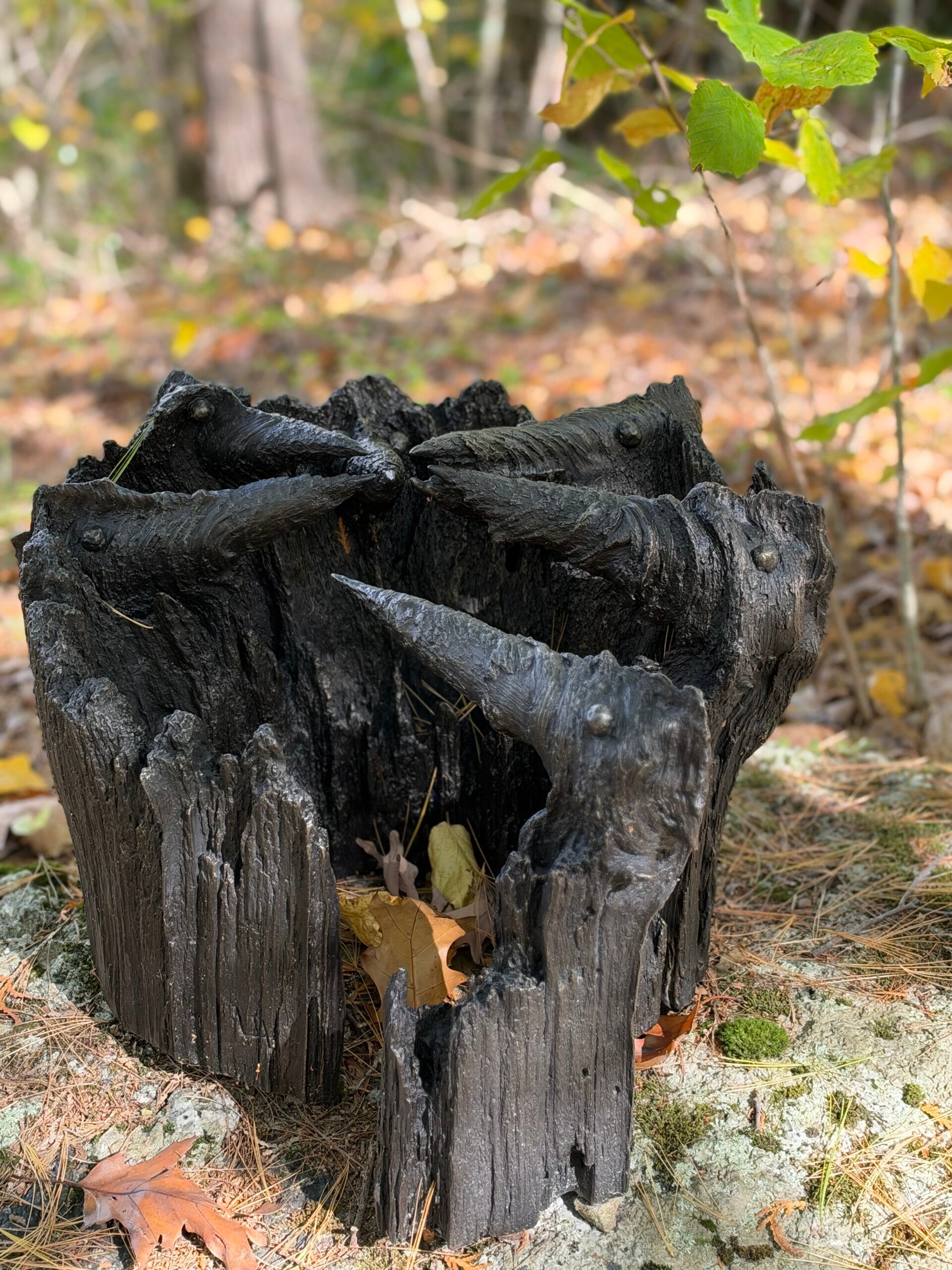
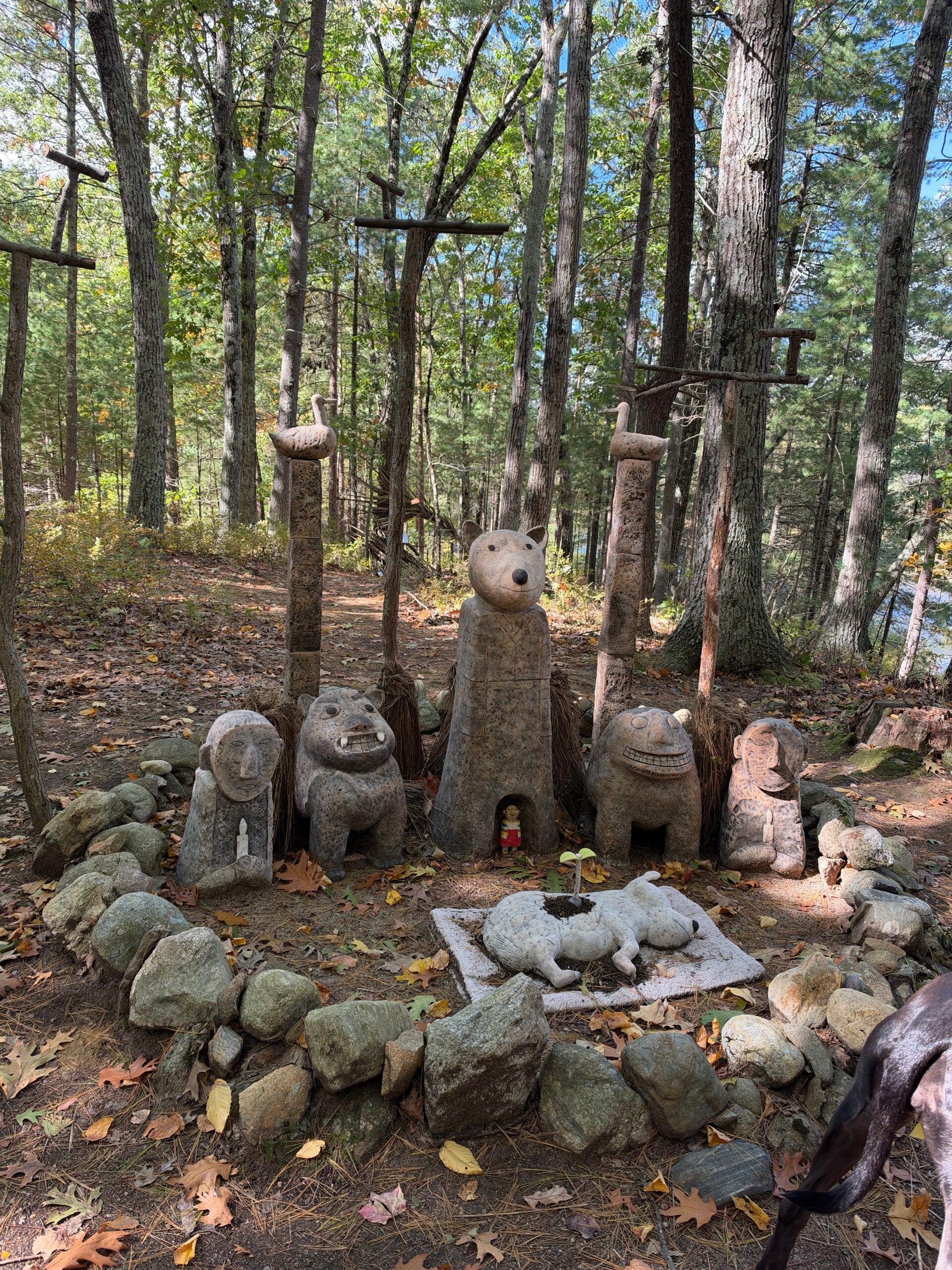
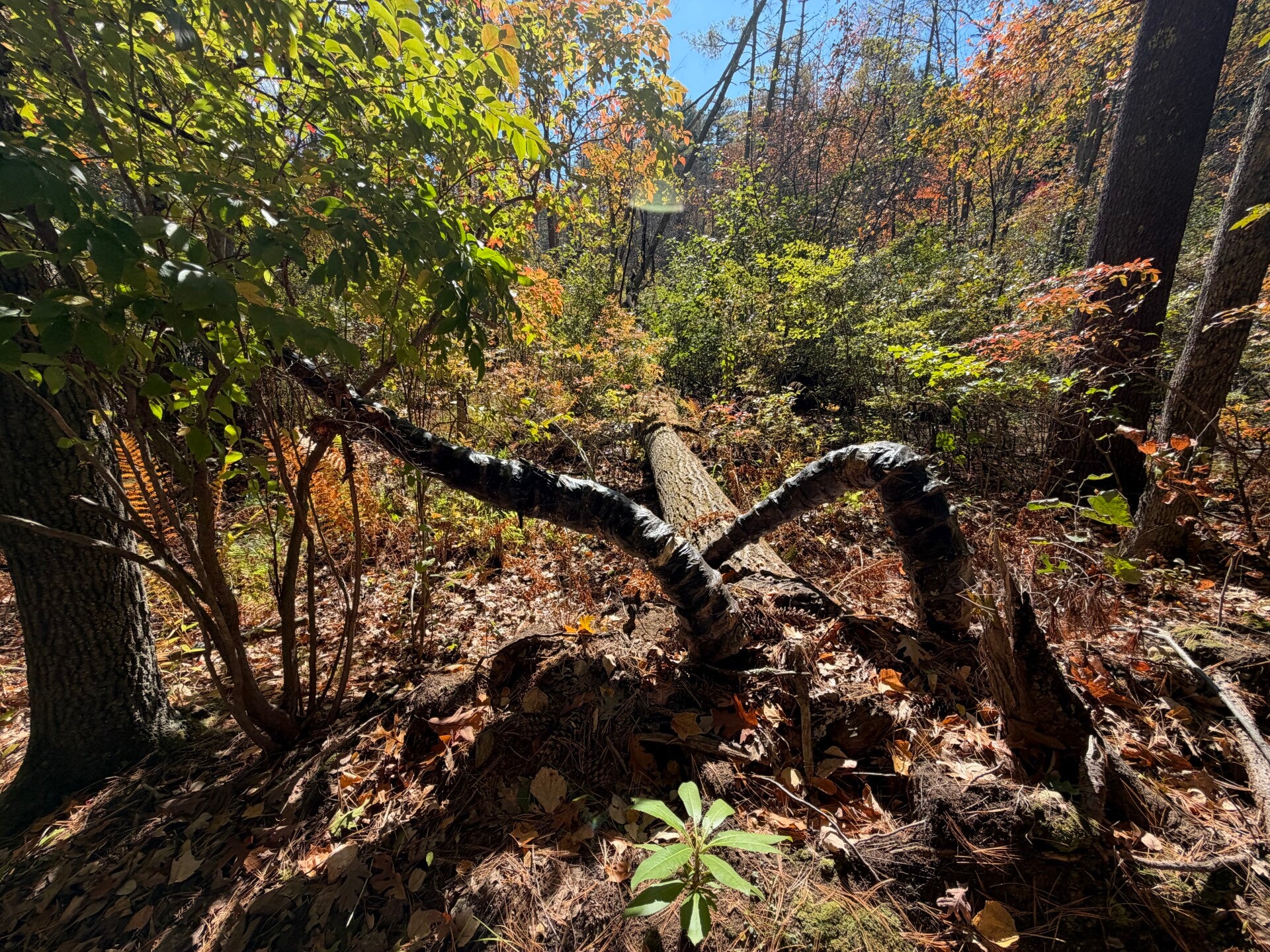
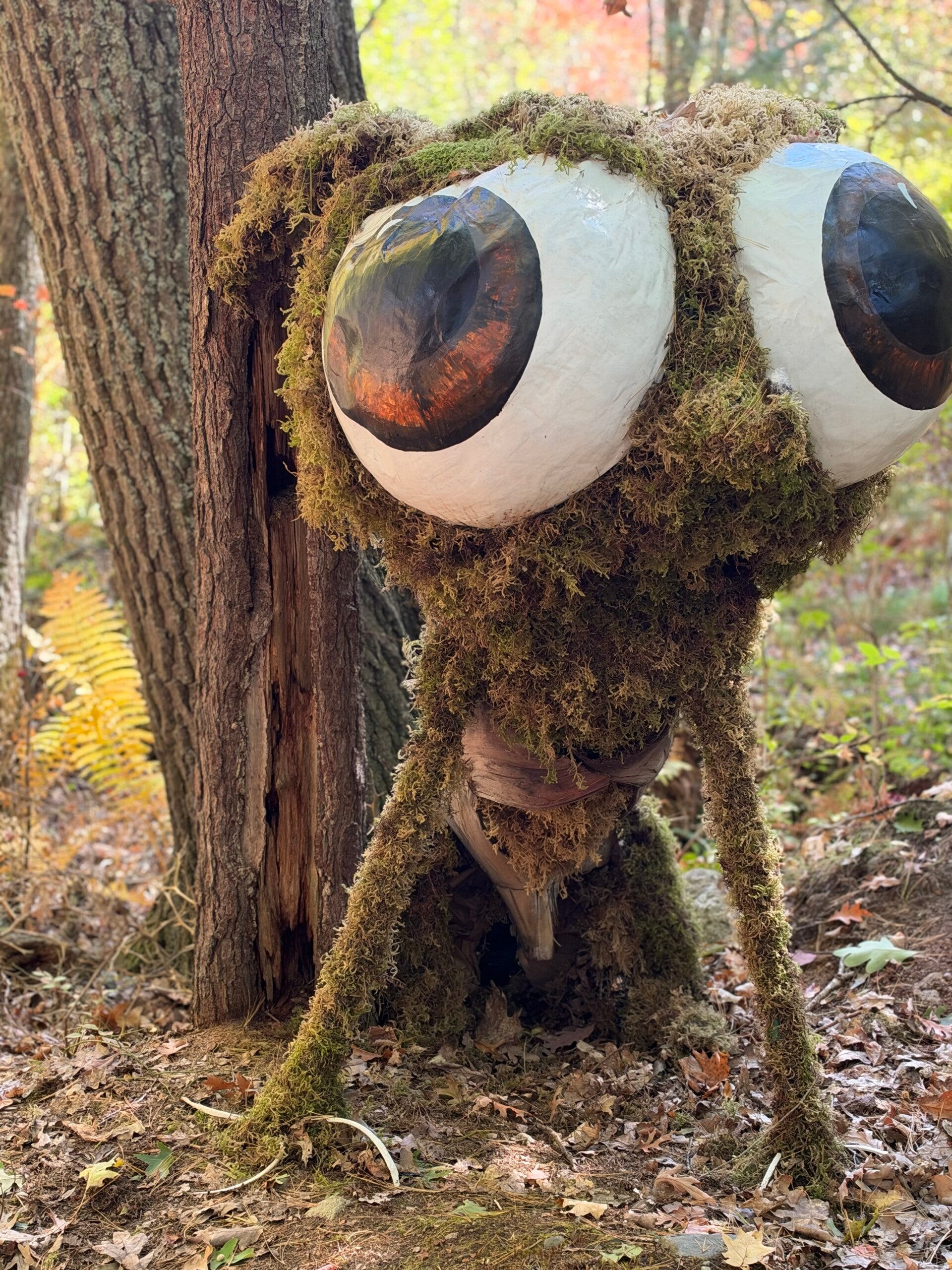
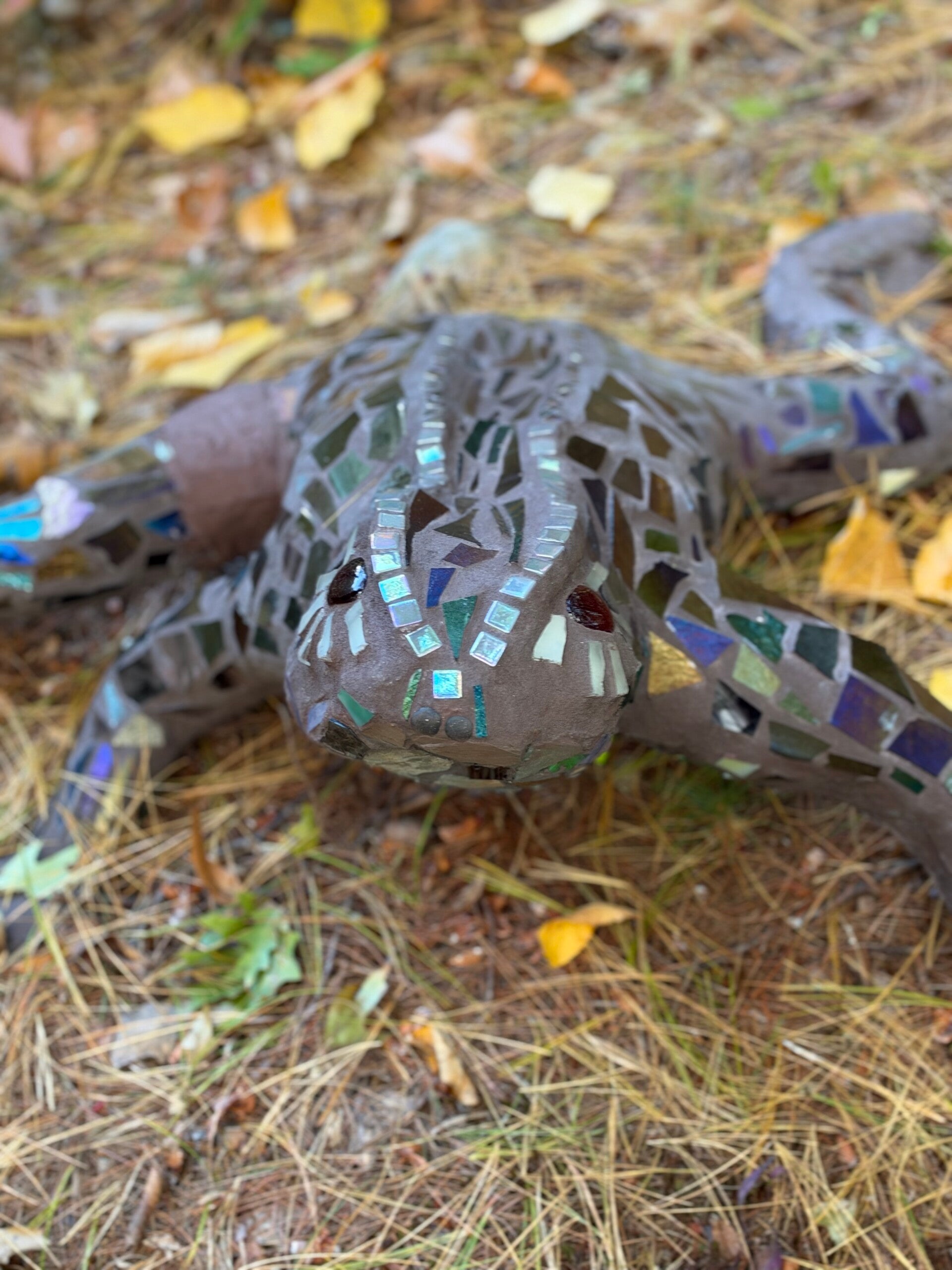
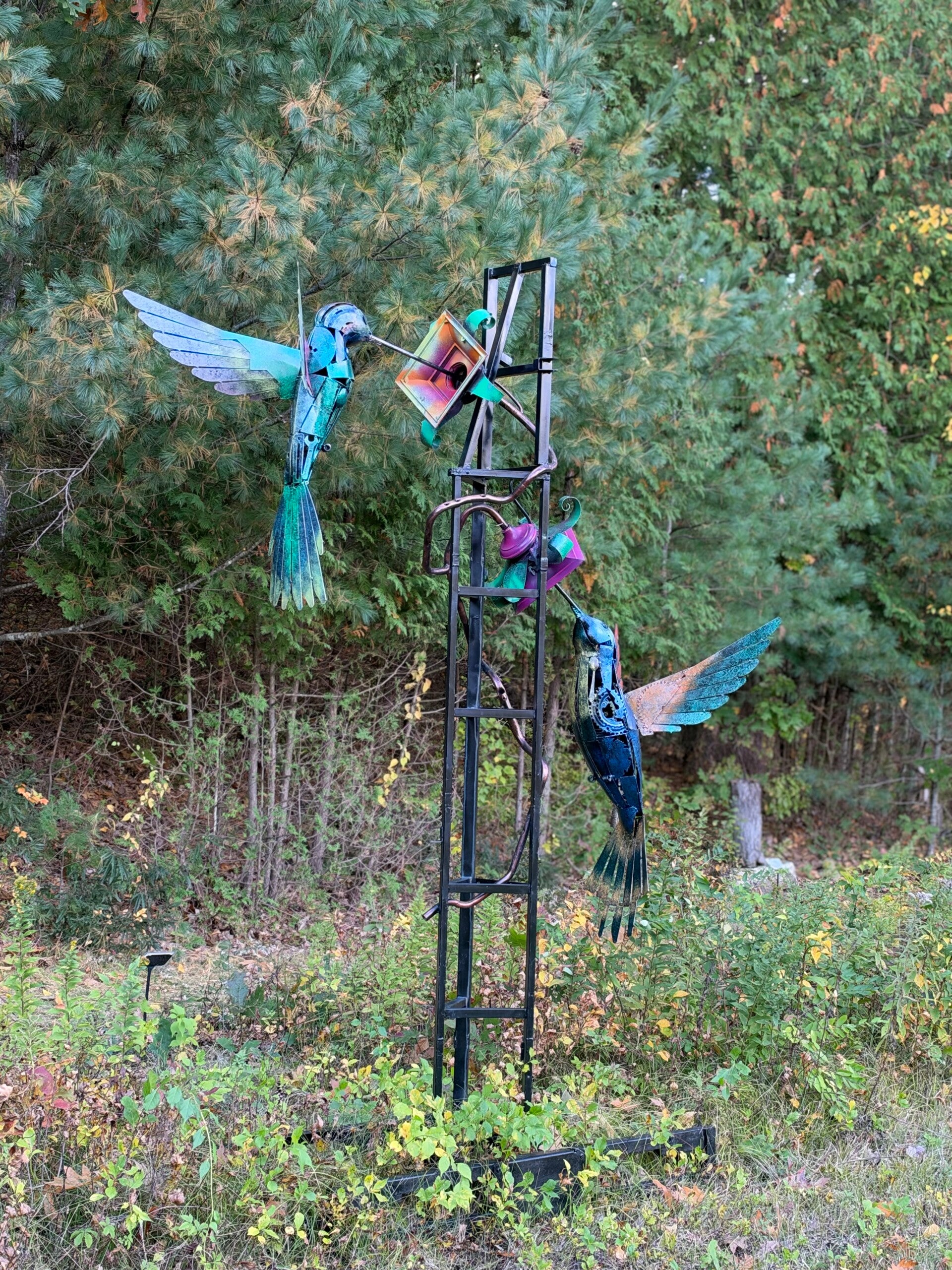
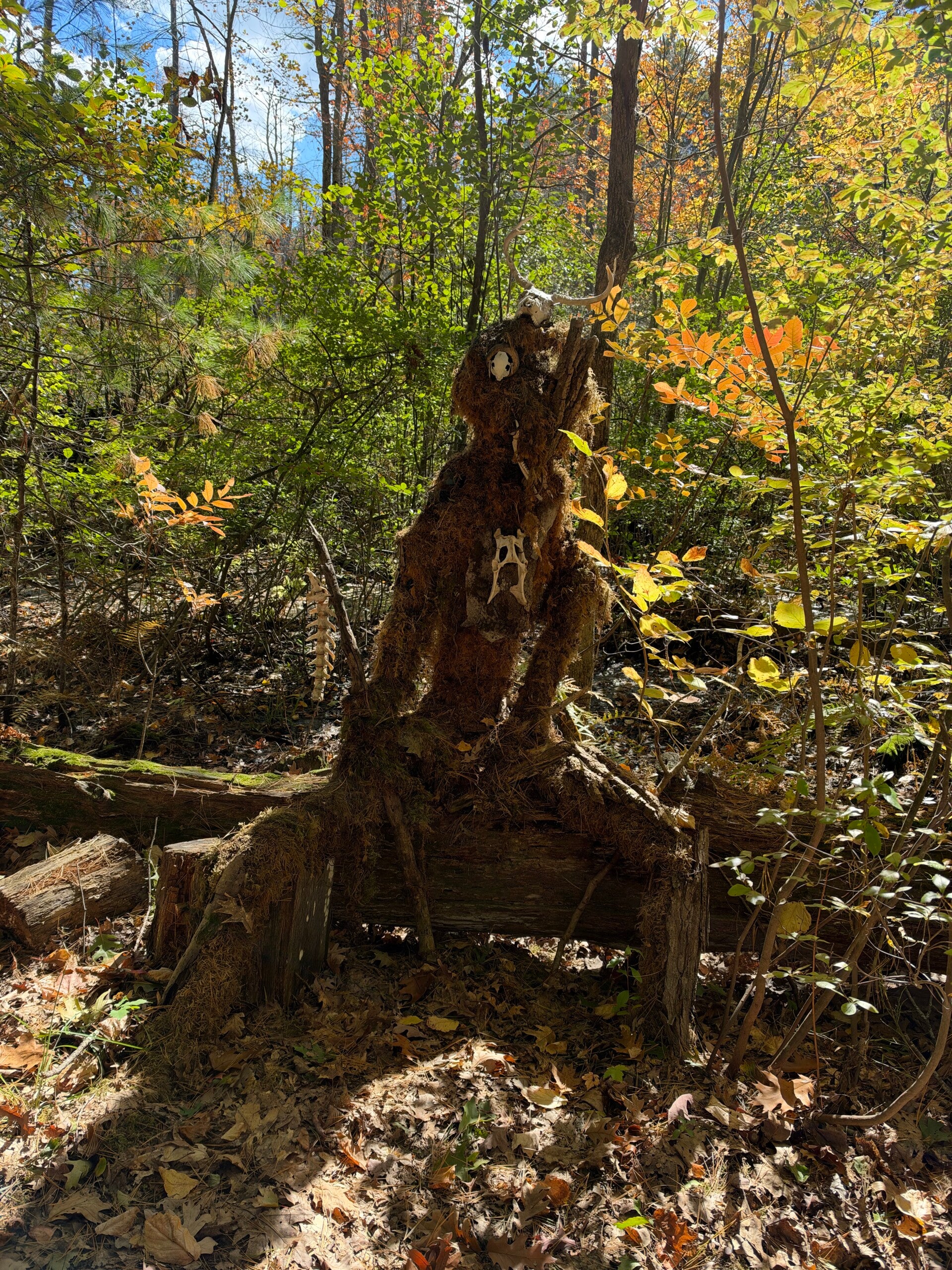
Old frog pond has layers of beauty to it. Whether you're searching for some organic seasonal fruit from the orchards or want to explore the variety of sculptures winding through the forest, it's a wonderful place to visit. Sculpture artist from the area exhibit their work amidst the landscape. The sculptures have a way of integrating themselves into the landscape.
The myriad of forms brings one to question why art is not integrated more readily into our human scape environments, as well as natural environments. Little pockets of beauty and wonder that make you ponder. Come and visit and you will find yourself lost and found.
Sculpture walk at Old Frog Pond